
How to Get Accommodations in College: Your Ultimate Guide
Your Step-by-Step Guide on How to Get Accommodations in College
A comprehensive resource for students and families navigating the accommodation process
Learning how to get accommodations in college can feel overwhelming, but it's a crucial step toward academic success. Whether you're transitioning from high school or discovering new needs, this guide will walk you through every step with clarity.
⚡ Quick Steps to Accommodations
- Locate Your College's Disability Services Office
- Gather Your Documentation
- Submit Your Application
- Attend an Intake Meeting
The Big Shift: Accommodations in High School vs. College
Understanding the transition from high school to college accommodations is crucial. The legal framework changes from IDEA to ADA/Section 504, requiring greater self-advocacy.
High School (IDEA)
Automatic identification and tailored services under IDEA.
College (ADA/Section 504)
Self-identify and request accommodations for equal access.
How to Get Accommodations in College: The Complete Process
Step 1: Gather Your Disability Documentation
What documentation is needed? Colleges require comprehensive records from qualified professionals including diagnosis, functional limitations, impact on academics, and recommended accommodations. For many students, a neuropsychological evaluation for test accommodations provides the detailed analysis needed to secure college-level support.
- Diagnosis statement from a qualified evaluator
- Description of functional limitations
- Recommended accommodations with rationale
- Evaluator credentials and report date
How recent? Typically within 3–5 years, though stable conditions may be older.
Step 2: Connect with the Disability Services Office
Locate and contact your college's Disability Services Office early. The process can take 2–4 weeks, so apply before the semester starts if possible. Many students worry about privacy during this process—rest assured that your accommodation information remains completely confidential. Learn more about whether colleges see that you used test accommodations.
Step 3: Prepare for Your Intake Meeting
Meeting expectations: Discuss your documentation, challenges, and collaborate on accommodations. Be prepared with concrete examples of how your disability affects your coursework.
🎛️ Interactive Accommodations Explorer
Explore common categories to advocate effectively:
📝 Testing
Extra time, separate room, breaks, alt formats, assistive tech
🏫 Classroom
Note-taking, lecture recordings, preferential seating, slide copies
🏠 Housing
Single room, accessible location, support animal, AC
📋 Assignments
Extensions, alt formats, reduced load, priority registration
Student Voices: Real Experiences (2025)
A.G.
Boston, MA • 2025
"Getting accommodations changed everything. The disability services team was supportive, and now I can focus on learning. I wish I had applied sooner!"
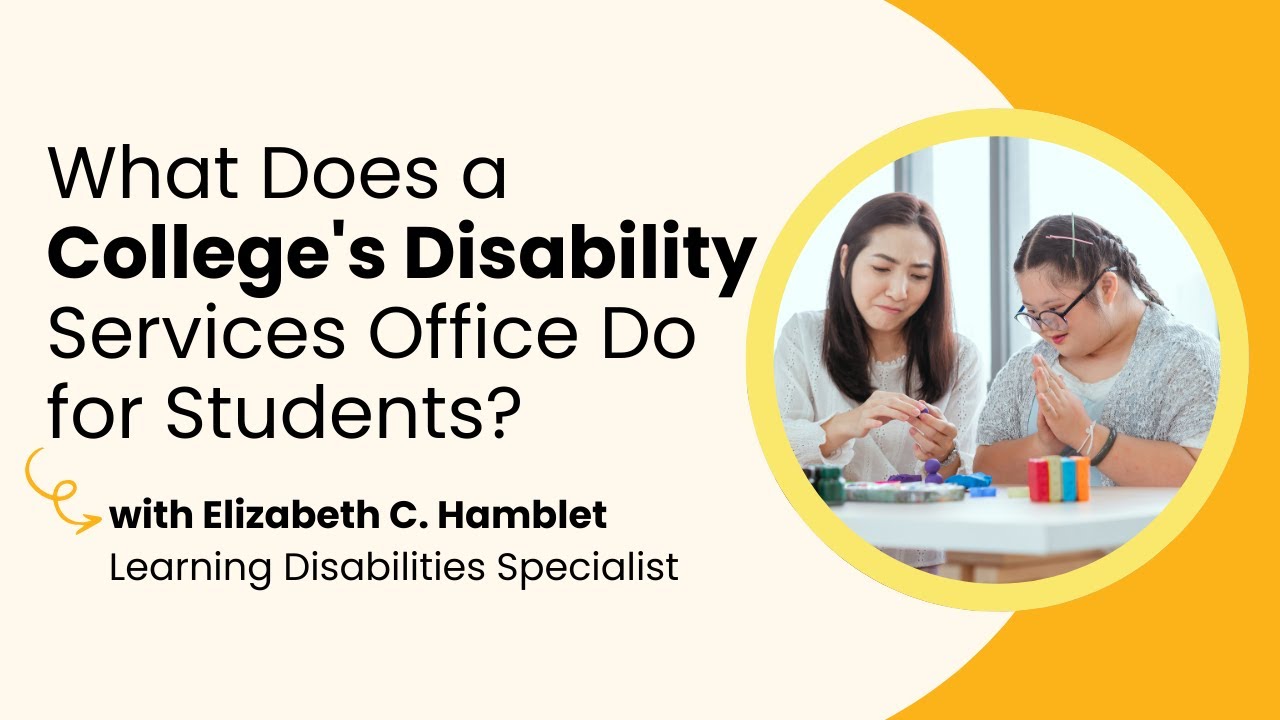
A Student's Guide to Using the Disability Services Office
Watch our comprehensive tutorial on navigating disability services.
Your Role: Self-Advocacy & Working with Professors
How to Talk to Professors
Share only your official accommodation letter—never personal medical records. Approach early in the semester with a brief, professional request.
Appeals & Problem-Solving
If accommodations are denied, contact Disability Services immediately. Use formal appeal processes with written decisions and additional documentation if needed.
Frequently Asked Questions
Ready to Take the Next Step?
Seeking accommodations is a sign of strength. Disability Services is here to support your academic success.
Visit Disability Services →